How to Get Your Content Cited by ChatGPT: SEO Strategy Guide
Learn proven tactics to optimize your content for ChatGPT citations. Step-by-step methods to rank in AI search results and drive qualified traffic in 2026.

ChatGPT and similar AI language models are reshaping how users discover content, making traditional Google rankings just one piece of the visibility puzzle. To get your content cited by ChatGPT, you need structured, authoritative information that AI models can extract and reference reliably.
This guide walks you through the precise tactics that position your website as a primary source for AI-powered search results, step by step.
Why ChatGPT SEO Matters in 2026
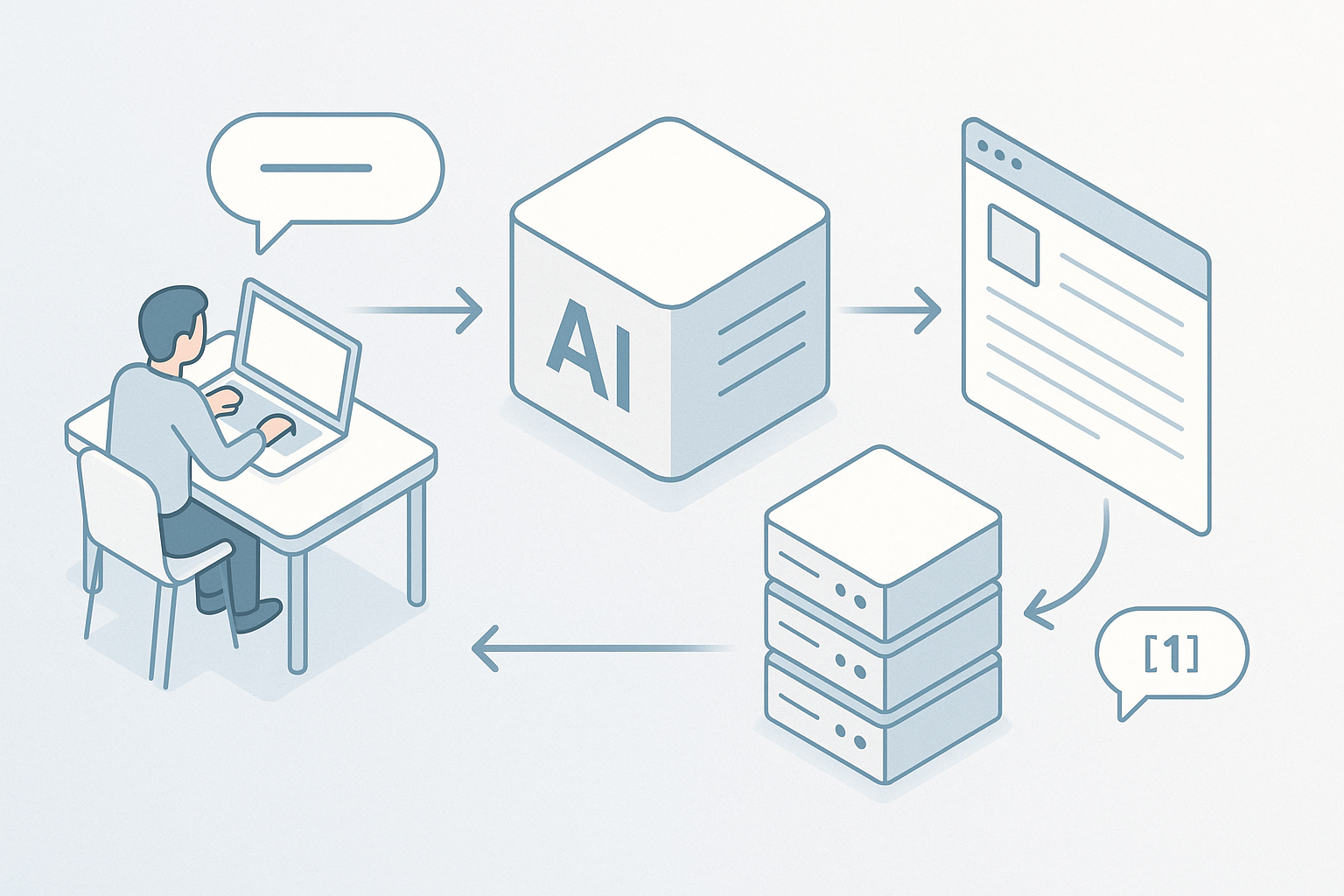
ChatGPT SEO represents a fundamental shift because AI models synthesize answers from their training data and, increasingly, from real-time web retrieval, meaning visibility depends on both data quality and structured accessibility rather than link authority alone. Users asking ChatGPT detailed questions expect cited sources, and those citations drive qualified traffic to the originating site without requiring a traditional search engine click-through.
When your content earns a citation, you gain exposure to audiences who trust AI-generated recommendations. The traffic arriving from these citations typically shows higher intent because the user already received context and confirmation that your content addresses their specific need.
How Does ChatGPT Select Sources to Cite?
ChatGPT selects sources by evaluating the clarity, relevance, and authority of the information retrieved during a search-augmented query, favoring pages that directly answer the question with minimal ambiguity and that match structured formats the model recognizes as reliable. The model prioritizes content that presents facts in scannable, unambiguous ways: headings phrased as questions, tables summarizing data, and opening sentences that state conclusions before elaboration.
Authority signals still matter, but in this context authority means consistent terminology, clear sourcing of claims, and a page structure that guides the model to extract the right snippet. If your content buries the answer three paragraphs deep under generic scene-setting, the model will look elsewhere.
Step 1: Structure Every Page for Direct Answer Extraction
To optimize for ChatGPT SEO, place a single, self-contained answer sentence immediately after every heading so that an AI model scanning your page can extract the core point without reading the full paragraph. This opening sentence should be grammatically complete and factually accurate on its own, functioning as a standalone answer even when lifted out of context.
Follow that opening with supporting detail, examples, and elaboration, but never bury your main point. The model does not read your page like a human would; it scans for the most semantically relevant match to the query, and clear topic sentences make that match obvious.
What Heading Formats Work Best for AI Citations?
Headings phrased as natural-language questions perform best because they mirror the phrasing users type into ChatGPT, creating a direct semantic match between the query and your page structure. Use question headings for roughly a third to half of your H2 and H3 tags, and word them conversationally rather than as keyword-stuffed labels.
For example, instead of a heading like "ChatGPT SEO Optimization Techniques," use "How do you optimize content for ChatGPT citations?" That phrasing aligns with real user intent and helps the model recognize your section as the direct answer source.
Should You Use Schema Markup for AI Search?
Yes, schema markup helps AI models parse your content by labeling the type of information each section contains, particularly FAQPage and HowTo schemas, which explicitly tell the model where questions and answers or step sequences live. Implement FAQPage schema for any section with question-and-answer pairs, and ensure the schema text matches the visible content word for word so the model sees consistency.
While schema alone will not guarantee a citation, it removes ambiguity and speeds up extraction, which improves your chances when the model evaluates multiple candidate sources for the same query.
Step 2: Optimize Content Depth and Topic Coverage
ChatGPT SEO content succeeds when it comprehensively covers the user's question and related sub-questions in a single, authoritative page, reducing the model's need to synthesize multiple sources and making your page the simplest, most complete citation option. Aim for thorough coverage of the core query plus the three to five most common follow-up questions users ask after receiving an initial answer.
Depth does not mean padding; it means addressing specific mechanisms, conditions, and edge cases that generic content skips. For instance, if your page explains a tactic, also explain when that tactic fails, what prerequisites it requires, and what results the reader should expect.
| Content Element | Why It Helps AI Citations | Implementation Tip |
|---|---|---|
| Direct-answer opening sentences | Provides extractable snippet without ambiguity | Place immediately after every heading |
| Question-phrased headings | Matches natural user query phrasing | Use for 30-50% of all headings |
| Comparison tables | Presents multi-factor answers in scannable format | Include at least one per article |
| FAQPage schema | Explicitly labels Q&A pairs for model parsing | Match schema text exactly to visible content |
| Numbered step sequences | Simplifies extraction of procedural content | Use ordered lists for all how-to sections |
Step 3: Implement ChatGPT SEO Tools and Automation
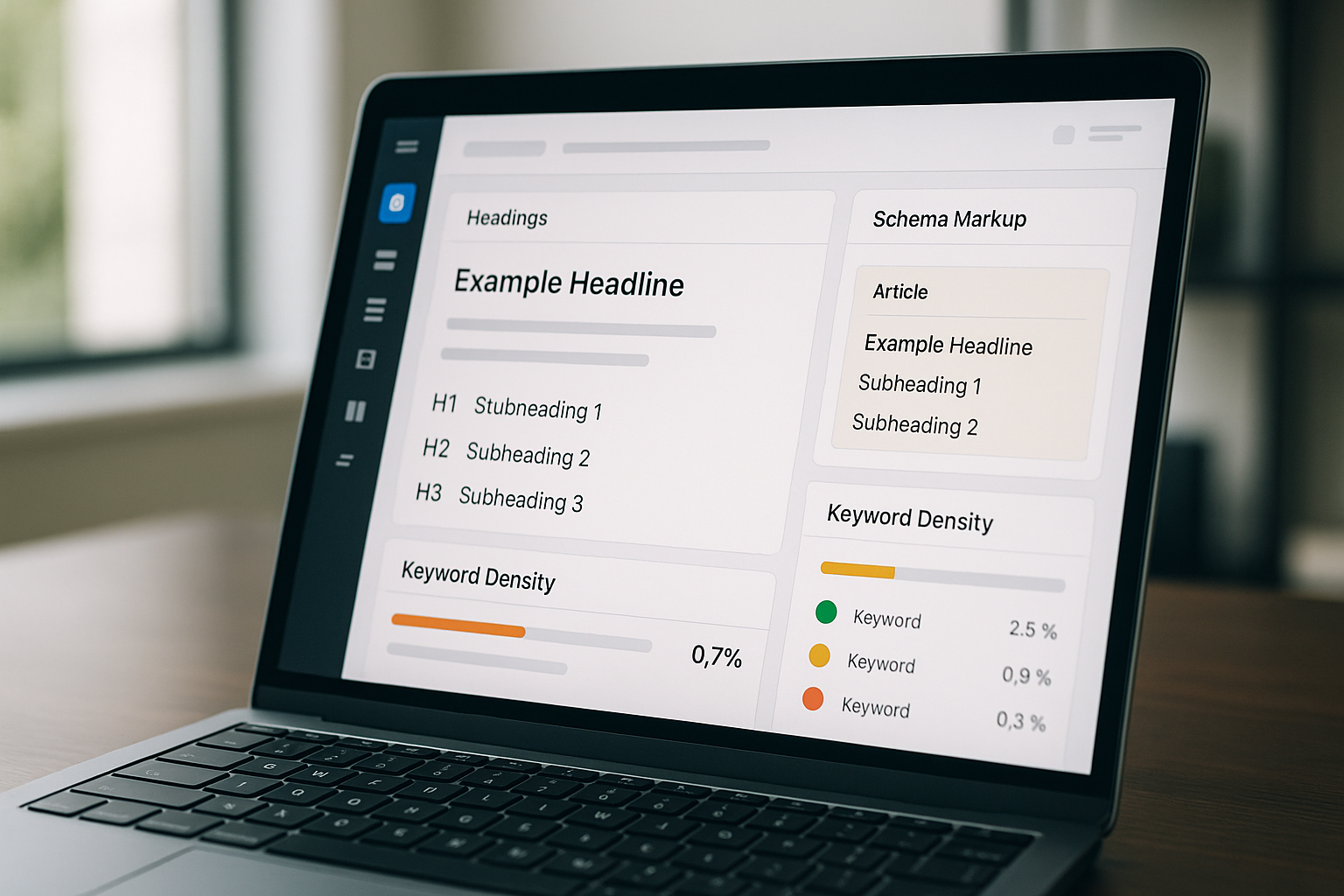
ChatGPT SEO tools streamline the process of structuring, optimizing, and publishing content that meets AI citation standards by automating keyword research, heading generation, schema markup, and internal link placement. Platforms like RankHit automate the entire workflow, from identifying high-intent queries to generating optimized drafts with built-in FAQPage schema and question-based headings, so you can scale content production without sacrificing the structural rigor that AI models require.
Automation also ensures consistency across your site. When every article follows the same direct-answer structure and schema implementation, the AI model learns to treat your domain as a reliable, predictable source, which increases the likelihood of repeated citations over time.
Which ChatGPT SEO Tools Should You Use?
Choose tools that integrate keyword research, content generation, schema markup, and publishing into a single workflow, because fragmented tools require manual handoffs that introduce structural inconsistencies and slow iteration. Look for platforms that automatically generate question-based headings from search intent data, insert FAQPage schema that matches the visible text, and handle internal linking to reinforce topical authority across your site.
RankHit combines all these capabilities in one automation layer, letting you go from keyword list to published, citation-ready article without manual content assembly or schema coding.
Step 4: Build Topical Authority with Clustered Content
ChatGPT SEO strategy depends on topical authority, which you build by publishing multiple related articles that interlink and cover a single subject from different angles, signaling to AI models that your site is a comprehensive resource rather than a one-off page. Create content clusters around your primary keywords, with one pillar page that broadly introduces the topic and several supporting pages that dive into specific sub-questions or use cases.
Internal links between cluster pages help the model understand the relationship between articles and increase the likelihood that it will cite your domain multiple times within a single answer, reinforcing your position as the authoritative source.
How Many Articles Do You Need in a Content Cluster?
A functional content cluster typically includes one pillar page and five to ten supporting articles, enough to cover the primary topic plus the most common related queries without redundancy. Each supporting article should target a distinct long-tail keyword and answer a specific sub-question, with internal links pointing back to the pillar and to related supporting pages.
More articles help, but only if each adds unique value. Duplicate or thin content dilutes authority and confuses the model, so prioritize depth and differentiation over volume.
Step 5: Write for Both Humans and AI Models
Effective ChatGPT SEO content must satisfy both the AI model that extracts and cites it and the human reader who clicks through, which means balancing direct-answer clarity with engaging narrative flow. Open every section with a standalone factual sentence for the model, then follow with examples, context, and actionable next steps for the human reader.
Avoid the temptation to optimize exclusively for AI extraction at the expense of readability. If a visitor arrives from a citation and finds robotic, repetitive text, they will leave immediately, which harms engagement signals that still matter for long-term SEO performance.

What Tone Works Best for AI-Optimized Content?
A professional, straightforward tone works best because it prioritizes clarity and factual precision, which both AI models and human readers value when seeking authoritative answers. Avoid overly casual phrasing, excessive jargon, or marketing hyperbole, all of which introduce ambiguity that reduces citation likelihood.
Use active voice, short sentences, and concrete nouns. The goal is to sound like an expert explaining something clearly, not like a salesperson or a creative blogger.
Step 6: Optimize Technical SEO for AI Crawlers
ChatGPT SEO optimization requires the same technical foundation as traditional SEO because AI models retrieve content through web crawlers that respect the same signals, including fast load times, mobile responsiveness, clean HTML, and a logical site structure. Ensure your pages load in under three seconds, use semantic HTML5 tags correctly, and maintain a shallow click-depth from your homepage to every content page.
Structured data must validate without errors, and your XML sitemap should include all citation-worthy content with accurate lastmod timestamps so crawlers recognize fresh, updated material.
Does Page Speed Affect ChatGPT Citations?
Yes, page speed affects citations indirectly because slow-loading pages frustrate both human visitors and crawlers, leading to incomplete indexing or lower perceived authority. If a retrieval system times out or receives partial content, your page will not enter the candidate pool for citation, regardless of content quality.
Aim for a Largest Contentful Paint under 2.5 seconds and a Cumulative Layout Shift under 0.1, measured on mobile devices, since many AI-assisted queries originate from mobile contexts.
Step 7: Monitor and Iterate Based on Citation Performance
ChatGPT SEO strategy requires continuous monitoring because AI model behavior evolves as training data and retrieval algorithms update, meaning content that earns citations today may need adjustment in three months. Track which pages receive referral traffic from AI platforms, analyze the queries that led to those citations, and refine underperforming content by adding more direct-answer sentences, updating schema, or expanding topic coverage.
Use server logs and analytics to identify AI user agents visiting your site, and review your highest-traffic pages to understand which structural patterns correlate with citations. That feedback loop lets you replicate success across your content library.
Common Mistakes That Prevent ChatGPT Citations
The most common mistake is burying answers deep within paragraphs after generic introductions, which forces the AI model to parse unnecessary text and often results in it choosing a competitor page that states the answer up front. Another frequent error is using vague headings that do not signal the section's content clearly, making it harder for the model to match your page to a query.
Inconsistent terminology also harms citation chances. If you refer to the same concept with different phrases across sections, the model may miss the connection and extract incomplete information. Choose one primary term for each concept and use it consistently throughout the page.
| Mistake | Why It Hurts Citations | How to Fix It |
|---|---|---|
| Burying the answer | Model cannot quickly extract the key point | Lead every section with a direct-answer sentence |
| Vague headings | Reduces semantic match with user queries | Phrase headings as natural questions |
| Inconsistent terminology | Confuses model about topic focus | Use one primary term per concept throughout |
| Missing schema markup | Model cannot identify structured Q&A pairs | Implement FAQPage schema for all FAQ sections |
| Shallow topic coverage | Model prefers more comprehensive sources | Cover core query plus common follow-ups |
How ChatGPT SEO Services and Agencies Approach Optimization
ChatGPT SEO services focus on auditing existing content for citation readiness, restructuring pages to prioritize direct-answer formats, and implementing automation workflows that maintain consistency across large content libraries. Agencies typically start with a topical authority assessment, identifying gaps in your content cluster coverage and prioritizing high-intent queries that competitors have not fully addressed.
Professional services also handle technical implementation, including schema markup at scale, internal linking architecture, and performance optimization, all of which require coordination across content, development, and SEO disciplines. For businesses publishing dozens of articles per month, agency support or a comprehensive ChatGPT SEO agency partnership ensures that every piece meets citation standards without manual review bottlenecks.
When Should You Use a ChatGPT SEO Agency?
Consider an agency when your content volume exceeds your internal team's capacity to maintain structural consistency, or when you lack the technical expertise to implement schema markup, advanced internal linking, and performance optimization at scale. Agencies bring specialized tools and repeatable processes that reduce time-to-citation and improve citation frequency across your entire domain.
However, for smaller sites or teams comfortable with content automation platforms, a tool like RankHit often delivers comparable results at a fraction of the cost, especially when your primary need is consistent, citation-ready content production rather than custom technical architecture.
Creating a ChatGPT SEO Blog That Earns Consistent Citations
A ChatGPT SEO blog succeeds by publishing articles that follow a consistent format: question-based headings, direct-answer opening sentences, comprehensive topic coverage, and FAQPage schema on every post. Establish a content calendar that targets high-intent queries in your niche, prioritizing questions users actually ask AI assistants rather than traditional keyword volume metrics.
Each blog post should interlink with related articles to build topical clusters, and every new article should reinforce your domain's authority on a narrow set of themes rather than scattering across unrelated topics. Consistency in structure and depth signals to AI models that your blog is a reliable, go-to resource.
How Often Should You Publish ChatGPT SEO Content?
Publish at least two to four citation-optimized articles per week to build topical authority quickly enough that AI models begin recognizing your domain as a primary source within a competitive niche. Frequency matters less than consistency and quality; a steady cadence of well-structured content outperforms sporadic bursts of thin articles.
Automation tools make this pace sustainable. RankHit, for example, handles keyword research, content drafting, schema insertion, and publishing in a single workflow, so you can maintain the volume and consistency that citation-worthy blogs require without expanding your editorial team.
Integrating ChatGPT SEO with WordPress
ChatGPT SEO WordPress optimization involves configuring your site to output clean, semantic HTML, fast load times, and automatic schema markup for every post, all of which WordPress plugins and themes can handle if configured correctly. Use a lightweight theme that prioritizes performance, install a schema plugin that supports FAQPage and HowTo markup, and ensure your permalink structure is clean and descriptive.
WordPress also simplifies internal linking at scale. Plugins can automatically suggest related posts, insert contextual links, and update anchor text as you publish new content, helping you build the topical clusters that reinforce citation authority without manual link management.
Frequently Asked Questions
Can you guarantee a ChatGPT citation?
No, you cannot guarantee a citation because AI model selection depends on multiple factors including query phrasing, competing sources, and model updates, but following best practices for structure, clarity, and topical authority significantly increases your citation probability. Focus on consistent optimization across your content library rather than expecting any single page to perform.
How long does it take to start getting ChatGPT citations?
Most sites begin seeing citations within four to eight weeks of publishing citation-optimized content, assuming you publish consistently and cover topics with clear user intent, though timing varies based on domain authority and competition. New domains may take longer, while established sites with existing authority can see results faster.
Do ChatGPT citations improve traditional Google rankings?
Yes, the same content optimizations that earn ChatGPT citations also improve Google rankings because both reward clear structure, comprehensive coverage, and user-focused answers, so investing in ChatGPT SEO delivers dual benefits. Additionally, traffic from AI citations generates engagement signals that indirectly boost traditional search performance.
Start Earning ChatGPT Citations Today
Getting your content cited by ChatGPT requires a tactical approach: structure every page for direct-answer extraction, implement schema markup, build topical authority through content clusters, and maintain consistency across your publishing workflow. The effort compounds over time, turning your site into a primary source that AI models cite repeatedly.
If you want to automate the entire process, from keyword research to schema-optimized publishing, explore how RankHit streamlines ChatGPT SEO content production at scale. The platform handles the structural rigor and consistency that AI citations demand, letting you focus on strategy and growth rather than manual content assembly.

RankHit
RankHit official
RankHit researches keywords, writes SEO articles, and publishes them on autopilot so brands can rank on Google and get cited by ChatGPT.