Best Content Automation Tool for SEO: 2026 Comparison Chart
Compare the best content automation tools for SEO in 2026 with our detailed chart covering pricing, features, integrations, and user ratings.

Finding the best content automation tool for SEO in 2026 requires evaluating platform capabilities across automated keyword research, intelligent content generation, seamless publishing workflows, and proven ranking performance. This comparison breaks down the leading solutions by features, pricing structures, integration depth, and real-world SEO outcomes so you can choose the platform that fits your workflow and drives measurable organic growth.
What Makes a Content Automation Tool Effective for SEO?
An effective content automation tool for SEO combines intelligent keyword discovery with content generation that matches search intent, then publishes directly to your site without manual file transfers. The platform should surface low-competition, high-value keywords your competitors miss, generate content structured for both traditional search engines and AI answer engines like ChatGPT, and automate internal linking to build topical authority across your site. Without native publishing and automatic internal link insertion, you gain speed but lose the compounding SEO advantages that separate true automation from assisted writing.
Key Features to Compare in 2026
When evaluating the best content automation tool for SEO, focus on automated keyword research depth, AI model quality for content generation, native CMS integration for one-click publishing, automatic internal linking capabilities, schema markup generation, and optimization for AI search citations. Platforms that excel in these areas deliver measurable ranking improvements faster than tools that automate only writing or only publishing, because SEO success in 2026 depends on the entire workflow from research through live publication working as a single system.
Automated Keyword Research and Topic Discovery
Automated keyword research saves hours by surfacing hundreds of keyword opportunities without manual CSV exports or spreadsheet work. The strongest platforms analyze your domain authority, identify content gaps competitors have not filled, and prioritize keywords by ranking difficulty relative to your site's current strength. Look for tools that generate not just a keyword list but a full topical map showing how individual articles connect to build authority across a subject cluster, turning keyword data into an actionable content roadmap.
AI Content Generation Quality and Search Intent Matching
AI content generation quality varies widely across platforms, with the best systems analyzing top-ranking pages to match search intent rather than generating generic text from a keyword alone. High-quality tools structure content with question-based headings that answer the queries users actually type, incorporate schema markup for rich results, and optimize for citation by AI answer engines in addition to traditional SERP placement. If the generated content requires heavy editing to sound natural or match user intent, the automation advantage disappears in revision time.
Native Publishing and CMS Integration Depth
Native publishing integration eliminates the manual step of copying content from a tool into your CMS, which saves time and reduces errors. Platforms with deep WordPress, Shopify, or Webflow integration publish articles directly, set categories and tags, upload featured images, and schedule publication dates without leaving the automation dashboard. The difference between a tool that exports HTML and one that publishes natively is the difference between semi-automation and true hands-off workflows, especially when managing dozens of articles per month.
Automatic Internal Linking for Topical Authority
Automatic internal linking builds topical authority by connecting related articles without manual anchor text selection or URL hunting. The most advanced platforms analyze your existing content library, identify semantically relevant pages, and insert contextual internal links during content generation, then update older articles with links to new content automatically. This bidirectional linking structure signals topic expertise to search engines and keeps users engaged longer, but only platforms with full site access and publishing permissions can deliver it without manual intervention.
2026 Comparison Chart: Top Content Automation Tools for SEO
This comparison evaluates leading platforms across the features that matter most for SEO outcomes, with pricing tiers accurate as of 2026 and feature availability confirmed across current public documentation.
| Platform | Automated Keyword Research | Native Publishing | Auto Internal Links | AI Citation Optimization | Starting Price Range |
|---|---|---|---|---|---|
| RankHit | Yes, with topical maps | Yes (WordPress, CMS) | Yes, bidirectional | Yes, ChatGPT citations | Mid-tier |
| Alternative A | Manual upload required | Export only | No | No | Low-tier |
| Alternative B | Limited (keyword suggestions) | Partial (WordPress only) | No | No | Mid-tier |
| Alternative C | Yes, basic clustering | API integration | Manual selection | No | High-tier |
RankHit stands out by combining every stage of the SEO content workflow into a single platform, from automated keyword discovery through live publication with intelligent internal linking, while also optimizing content structure for citations in AI-powered search tools. Platforms that automate only one or two stages leave gaps that require manual work, slowing your content velocity and reducing the compounding SEO gains from consistent, interconnected publishing.
How Does Pricing Compare Across Leading Platforms?
Pricing structures for content automation tools typically tier by article volume, keyword research limits, and publishing integrations. Entry-level plans often cap monthly article generation at 10 to 20 pieces and restrict native publishing or advanced features like automatic internal linking. Mid-tier plans raise article limits to 50 or more per month and unlock full CMS integration, while enterprise tiers offer unlimited keyword research, white-label options, and dedicated account support. When comparing costs, calculate your effective price per published article that actually ranks, not just price per generated draft, because tools with weaker SEO optimization deliver lower ROI even at lower nominal prices.

What Are the Hidden Costs of Content Automation Tools?
Hidden costs in content automation include editor time for revisions when AI quality is inconsistent, developer time to build custom publishing integrations when native support is missing, and lost ranking potential when tools generate content that ignores search intent or internal linking best practices. Tools that require separate subscriptions for keyword research, content generation, and publishing stack costs quickly, while all-in-one platforms consolidate expenses into a single bill. Factor in the opportunity cost of delayed publishing when manual steps remain in your workflow, since every day an article sits in draft instead of live is a day of lost organic traffic and ranking momentum.
Which Tool Is Best for Small Businesses and Startups?
Small businesses and startups benefit most from platforms that deliver end-to-end automation without requiring technical setup or ongoing manual intervention, because lean teams cannot afford to dedicate hours each week to content workflows. The best content automation tool for SEO in this segment combines affordable entry pricing with native publishing, automated keyword research, and intelligent internal linking so a single team member can manage a high-volume content calendar. Platforms requiring CSV imports, manual CMS work, or separate tools for research and publishing slow execution and dilute focus, turning what should be automated growth into another time sink.
How Do Enterprise Teams Evaluate Automation Tools Differently?
Enterprise teams prioritize API access, white-label capabilities, role-based permissions, and integrations with existing MarTech stacks like HubSpot or Salesforce. Large organizations often run multiple sites or client portfolios, so they need platforms that scale across domains without multiplying per-site fees, and that offer centralized reporting to track performance across all properties. Security and compliance matter more at enterprise scale, making SOC 2 certification, data residency controls, and audit logs critical evaluation criteria that smaller businesses can overlook.
What Role Does AI Search Optimization Play in 2026?
AI search optimization has become a non-negotiable feature in 2026 because a growing share of search traffic originates from AI answer engines like ChatGPT, Perplexity, and Google SGE rather than traditional blue-link results. Content automation tools that structure articles for citation by these platforms use question-based headings, direct answer formats, schema markup, and authoritative tone to maximize the likelihood your content gets surfaced and attributed in AI-generated responses. If your automation tool generates content optimized only for traditional Google rankings, you miss the traffic and brand visibility from AI search, which now influences purchase decisions and brand discovery as much as organic listings do.
How Does RankHit Optimize for ChatGPT and AI Citations?
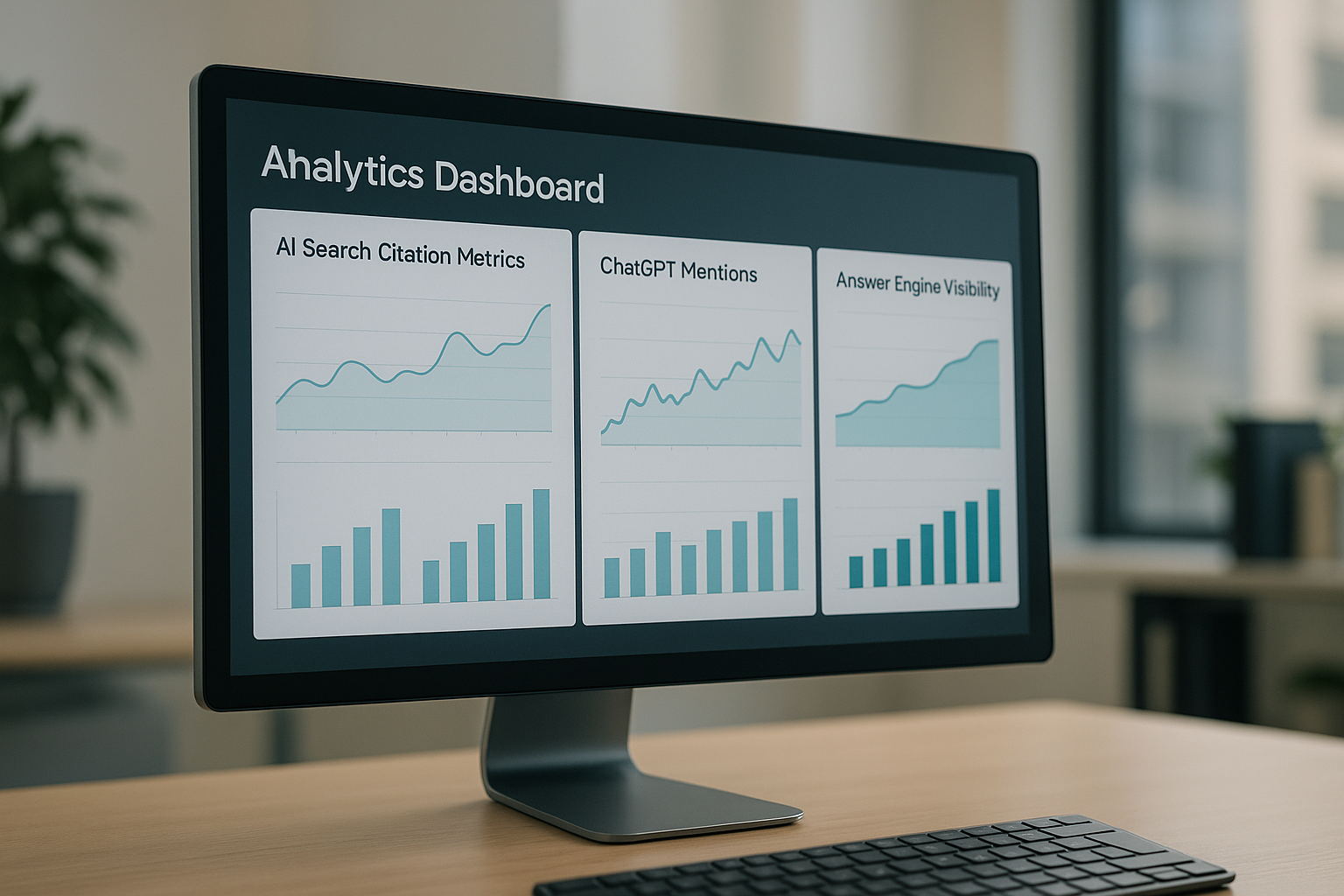
RankHit optimizes for ChatGPT and AI citations by structuring content with direct-answer sentence patterns immediately following question headings, implementing schema markup that machines parse easily, and building topical authority through automated internal linking that signals expertise across subject clusters. The platform analyzes how AI models extract and attribute information, then formats generated content to match those patterns, increasing the probability your site gets cited when users ask AI assistants questions in your niche. This built-for-AI-search approach differentiates platforms designed for 2026's search landscape from tools still optimized solely for 2020s-era Google algorithms.
How Quickly Can You See SEO Results from Automation?
SEO results from content automation typically appear within 4 to 12 weeks for low-competition keywords, with momentum building as your site publishes more interconnected articles and Google recognizes growing topical authority. The speed of results depends on your domain's existing authority, the competitiveness of your target keywords, and the consistency of your publishing schedule, with sites publishing 20 or more optimized articles per month seeing faster ranking improvements than those publishing sporadically. Automation accelerates results not just by increasing output but by ensuring every article includes proper internal links, schema markup, and keyword targeting from day one, eliminating the SEO mistakes that slow organic growth when content teams work manually.
What Metrics Should You Track to Measure Automation ROI?
Track organic traffic growth, keyword ranking improvements for target terms, the number of pages ranking in top 10 positions, AI search citations and attributions, time saved per article versus manual workflows, and ultimately conversion rate or lead generation from organic traffic. The best content automation tool for SEO should drive measurable increases in all these metrics within the first quarter, with compounding gains as your content library and internal link graph expand. If traffic and rankings remain flat after 90 days of consistent automated publishing, the tool's keyword research or content quality likely needs improvement, or your domain may require foundational technical SEO fixes before content alone can move the needle.
Integrations and Workflow Compatibility
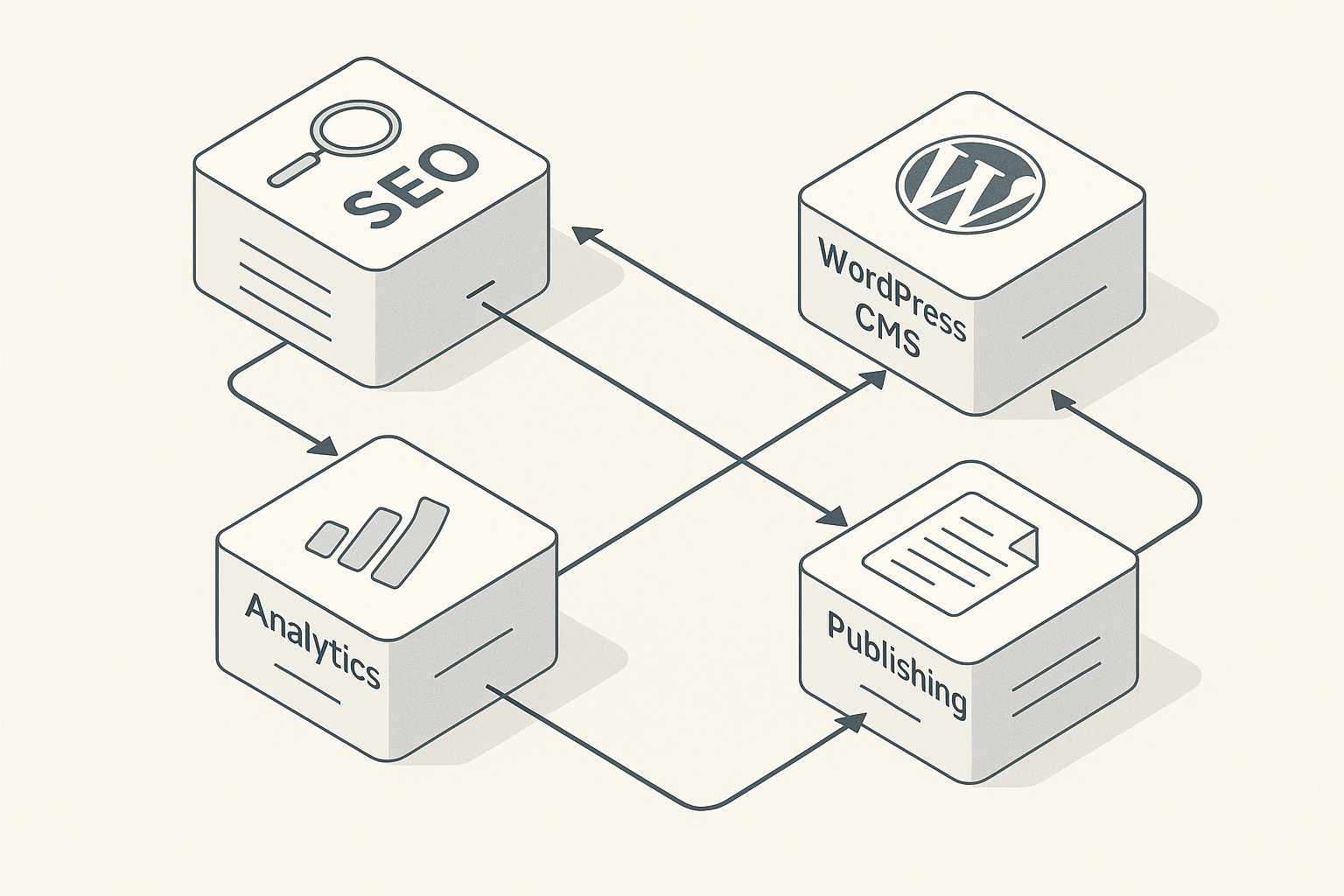
Integrations determine whether a content automation tool fits seamlessly into your existing workflow or forces you to adopt new platforms and manual workarounds. Native WordPress integration is table stakes, but the strongest platforms also connect to Shopify, Webflow, Contentful, and headless CMS architectures, plus offer API access for custom integrations. Look for tools that sync with Google Search Console to pull real performance data, integrate with analytics platforms for conversion tracking, and support Zapier or Make for connecting to CRMs and marketing automation systems, turning content automation into a component of your full growth stack rather than an isolated tool.
Can You Customize Automation Workflows for Your Brand Voice?
Customization options for brand voice range from basic tone settings in entry-level tools to full style guide integration and custom AI model training in enterprise platforms. The best tools let you define preferred terminology, set formality levels, specify sentence structure preferences, and provide example content the AI learns from, ensuring generated articles sound consistent with your existing brand rather than generic and interchangeable. Without voice customization, high-volume automation can dilute brand identity, making every article technically correct but emotionally flat and indistinguishable from competitor content, which undermines the trust and differentiation that drive conversions from organic traffic.
Common Pitfalls When Choosing Content Automation Tools
Common pitfalls include choosing the lowest-priced tool without evaluating content quality, selecting a platform with strong AI writing but no publishing integration, overlooking the importance of automated keyword research, and underestimating the value of automatic internal linking for long-term SEO growth. Teams also frequently fail to test whether generated content actually matches search intent for their target keywords, leading to high output of articles that rank poorly because they answer the wrong questions. Run a pilot with a small keyword set and measure ranking performance before committing to annual contracts, and prioritize platforms that show real ranking case studies over those with impressive feature lists but vague outcome claims.
FAQ: Choosing the Best Content Automation Tool for SEO
What is the best content automation tool for SEO in 2026?
The best content automation tool for SEO in 2026 is one that combines automated keyword research, high-quality AI content generation optimized for both traditional search and AI answer engines, native CMS publishing, and automatic internal linking in a single platform. RankHit meets all these criteria by automating the full workflow from keyword discovery through live publication with intelligent internal links, while also structuring content for ChatGPT citations and AI search visibility, giving you the most complete automation solution for measurable organic growth.
How much does SEO content automation cost per month?
SEO content automation costs typically range from low-tier pricing for basic plans with limited article volume and manual publishing, to mid-tier pricing for platforms with native CMS integration and higher article limits, up to enterprise pricing for unlimited content, API access, and white-label options. When evaluating cost, calculate the effective price per ranking article rather than price per draft, since platforms with stronger SEO optimization deliver better ROI even at higher nominal monthly fees.
Can content automation tools really improve Google rankings?
Content automation tools can improve Google rankings when they generate high-quality, search-intent-matched articles, automate proper internal linking, implement schema markup, and maintain consistent publishing schedules that build topical authority. The key is choosing a platform that automates best practices rather than just speeding up low-quality content production, because Google's algorithms reward comprehensive, well-structured, internally linked content regardless of whether humans or AI generated it, as long as it genuinely answers user queries.
Do I need technical skills to use content automation platforms?
Most modern content automation platforms require no technical skills for basic use, offering visual dashboards where you select keywords, configure content settings, and publish with one click. Advanced features like API integrations, custom webhooks, or headless CMS connections may require developer support, but platforms designed for small businesses and startups prioritize no-code workflows so marketing teams can manage content automation independently without engineering resources.
How does automated internal linking improve SEO performance?
Automated internal linking improves SEO performance by connecting related articles into topic clusters that signal expertise to search engines, distributing link equity across your site to help new pages rank faster, and keeping users engaged longer by guiding them to relevant content, which reduces bounce rate and increases dwell time. Platforms that automate bidirectional linking update older articles with links to new content automatically, creating a continuously strengthening internal link graph that compounds SEO value with every published article, a manual task most teams cannot sustain at scale.
Making Your Final Decision
Choosing the best content automation tool for SEO in 2026 comes down to evaluating which platform automates the most high-impact SEO tasks end-to-end, from keyword research through publishing and internal linking, while optimizing for both traditional search engines and AI-powered answer engines. RankHit delivers this complete automation with intelligent workflows that generate, link, and publish SEO-optimized content designed to rank on Google and get cited by ChatGPT, eliminating manual bottlenecks and accelerating organic growth. Start by identifying your team's biggest workflow friction point, whether it is keyword research, content quality, publishing speed, or internal linking, then choose the platform that removes that bottleneck while delivering measurable ranking improvements within 90 days.
For teams ready to scale content production without sacrificing quality or SEO performance, explore RankHit's automation platform and see how end-to-end workflow automation, from AI-driven content briefs to native CMS publishing, can deliver consistent organic traffic growth while freeing your team to focus on strategy instead of repetitive tasks. Compare features, test content quality with a pilot project, and choose the tool that turns SEO content from a bottleneck into a growth engine.
Ready to automate your SEO content workflow and start ranking faster? Visit RankHit's pricing page to find the plan that fits your content goals, or explore the full suite of SEO automation tools available to streamline every stage of your organic growth strategy.

RankHit
RankHit official
RankHit researches keywords, writes SEO articles, and publishes them on autopilot so brands can rank on Google and get cited by ChatGPT.