AI SEO Tool Showdown: Semrush, Ctrify, Webtrek & WordPress Options
Compare Semrush, Ctrify, Webtrek, and WordPress AI SEO tools side by side to find which platform delivers the best value for your content strategy.
The ai seo tool market in 2025 delivers genuine automation, from keyword discovery through publishing, yet choosing between Semrush's enterprise features, Ctrify's niche approach, Webtrek's free tier, and WordPress plugins requires matching each platform's actual capabilities to your content workflow and budget constraints.
What Makes an AI SEO Tool Worth Comparing?
An ai seo tool earns its place in a comparison when it automates at least two linked stages of the content pipeline: keyword research paired with outline generation, or content creation tied to publication, rather than offering isolated point solutions that still require manual handoffs between steps. Platforms that surface related keywords but leave you to paste them manually into a separate writing tool, or generate draft text but force you to copy it into your CMS by hand, introduce friction that erodes the time savings automation promises.
The semrush ai seo tool, for instance, connects keyword discovery inside its research suite to AI-driven content briefs and optimization scores, but stops short of native publishing, requiring manual WordPress uploads. Ctrify emphasizes AI-generated content paired with automated on-page SEO adjustments, targeting users who want end-to-end automation within a single interface. Webtrek positions itself as a free ai seo tool entry point, offering basic keyword suggestions and content templates without advanced automation features. WordPress plugins span the spectrum, from simple meta-tag helpers to full content generation engines that write and publish directly inside the dashboard.
Semrush AI SEO Tool: Enterprise-Grade Research Meets Content Assistance
Semrush integrates AI writing assistance into its keyword research and content audit modules, pairing keyword difficulty metrics with outline suggestions that reflect top-ranking competitor structures. The platform's strength lies in data depth: millions of keywords, historical trend lines, and SERP feature tracking that inform content briefs with competitive intelligence rather than generic topic ideas.
Where Semrush requires the most hands-on work is in the final mile. Once you generate an AI-assisted draft inside the platform's SEO Writing Assistant, exporting that text to WordPress, Webflow, or another CMS remains a manual copy-paste step, and internal link suggestions appear as recommendations you must insert by hand. For agencies managing dozens of client sites or publishers running multi-author editorial calendars, this gap between optimization and publication adds a meaningful time tax that offsets some of the research automation gains.
How Does Semrush Handle Keyword Research Automation?
Semrush's Keyword Magic Tool generates thousands of related terms from a single seed phrase, clustering them by semantic theme and search intent, then surfaces questions people ask alongside each cluster to guide heading structures. The AI component sorts these clusters by relevance and difficulty, recommending which keywords to target in a single piece versus splitting across multiple articles, which reduces manual decision-making when planning a content calendar.
What Are the Pricing and Access Limitations?
Semrush tiers begin at a mid-market entry point, with AI Writing Assistant credits allocated per plan level rather than unlimited usage, so high-volume content teams may exhaust monthly quotas before publishing their full editorial calendar. Startups and solo operators often find the platform's feature breadth exceeds their immediate needs, paying for rank tracking, backlink analysis, and competitor monitoring tools they won't leverage until later growth stages.
Ctrify AI SEO Tool: End-to-End Automation with a Learning Curve
The ctrify ai seo tool targets users who want to input a topic or keyword and receive a published, optimized article without touching a CMS, emphasizing speed over granular editorial control. Ctrify generates content, suggests internal links, and can push updates directly to connected websites, collapsing the research-to-publication cycle into a single workflow that appeals to lean marketing teams without dedicated writers.
The trade-off surfaces in customization: Ctrify's AI writes in a house style that requires prompt engineering or post-generation editing to match a specific brand voice, and its keyword selection leans toward volume metrics rather than nuanced intent matching, which can result in content that ranks for adjacent but less valuable search queries than your core business terms. Users report stronger results when they treat Ctrify outputs as first drafts that need human review for tone and strategic keyword placement, rather than one-click publish-ready articles.
Does Ctrify Integrate with Existing Content Workflows?
Ctrify operates primarily as a standalone platform with API connections to WordPress and select headless CMS options, but lacks native integrations with project management tools, editorial calendars, or multi-author approval flows that agencies and larger content teams rely on. Teams accustomed to Trello boards, Airtable content planners, or Google Docs review cycles will need to build custom Zapier bridges or accept a parallel workflow outside their existing stack.
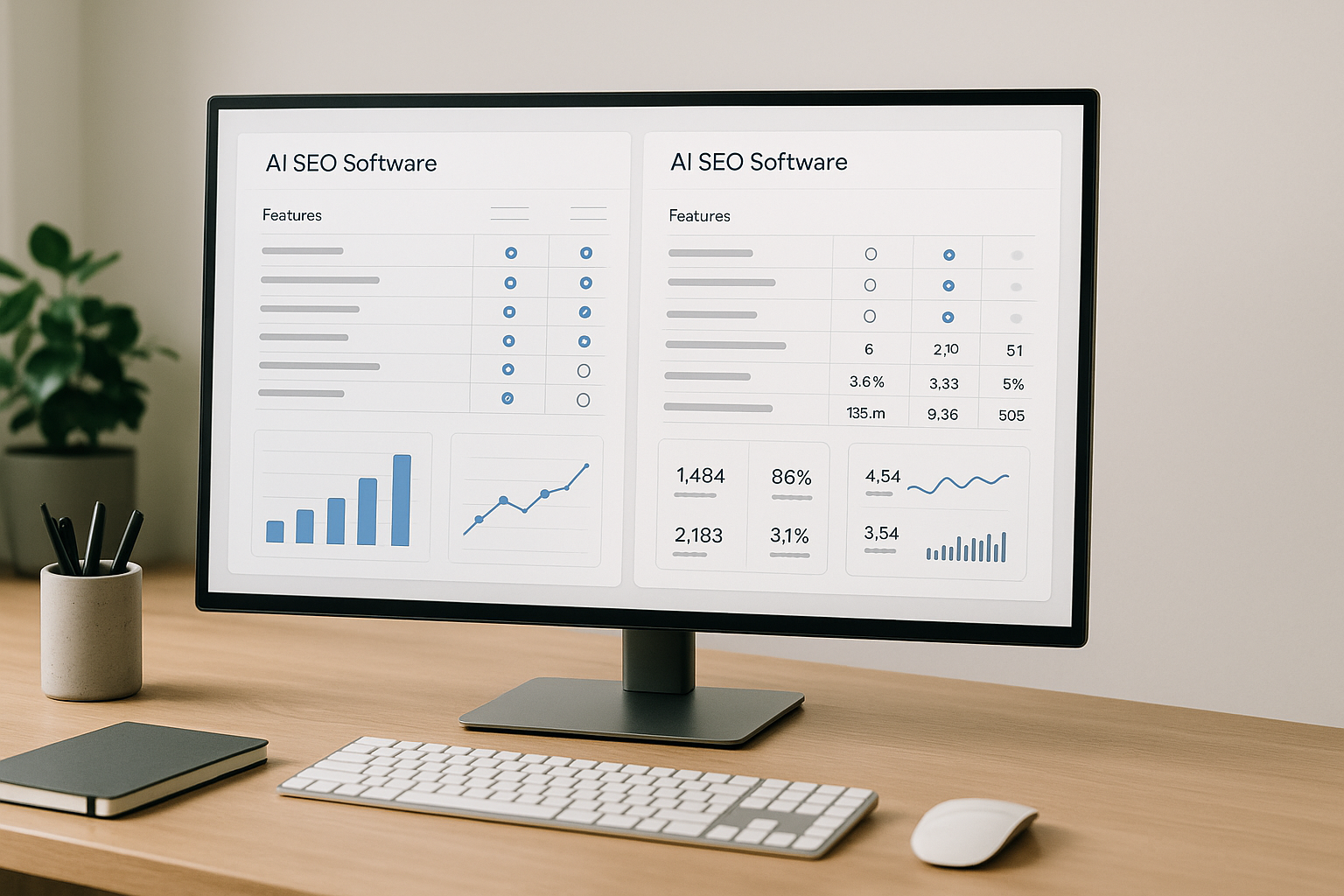
Webtrek Free AI SEO Tool: Entry-Level Access and Feature Gaps
Webtrek positions itself as a no-cost entry point for small business owners testing AI-driven SEO without budget commitment, offering keyword suggestions, meta-tag templates, and basic content outlines in a freemium model that upsells to paid tiers for advanced features. The free tier delivers value for micro-businesses publishing one or two blog posts monthly, where manual content creation remains the norm and AI serves as an idea generator rather than a production engine.
Feature limitations become visible quickly: free accounts cap keyword research queries, restrict content generation word counts, and omit competitor analysis and rank tracking entirely, so users graduate to paid plans or switch platforms once content velocity increases beyond experimental publishing. Webtrek's automation stops at the outline stage, leaving drafting, optimization, and publishing as manual tasks, which places it closer to a research assistant than a full ai seo tool by the standards of this comparison.
What Upgrade Path Does Webtrek Offer?
Webtrek's paid tiers unlock higher query limits and longer content generation runs, but the platform's core architecture remains template-driven rather than adaptive, so even premium users work within predefined outline structures and keyword insertion points that may not match the nuanced, question-focused content formats that perform well in AI-cited search results and LLM-generated answers.
AI SEO Tool WordPress: Plugin Landscape and Native Integration Benefits
An ai seo tool wordpress solution lives inside the CMS where content actually publishes, eliminating the export-import friction that standalone platforms introduce and allowing writers to optimize drafts without leaving the editor interface they already know. Plugins range from Yoast and Rank Math, which add AI-powered content analysis to manual writing, to newer tools like RankHit that automate keyword research, content generation, internal linking, and scheduled publishing in a unified WordPress-native workflow.
The advantage of WordPress-first tools becomes clearest at scale: a native publishing workflow removes the manual step of copying optimized text from an external platform, pasting it into the block editor, reformatting headings and images, and setting categories and tags, tasks that consume minutes per post and compound into hours across a monthly content calendar. For agencies managing ten or twenty client WordPress sites, plugins that authenticate once and publish across all connected properties deliver time savings that standalone SaaS tools cannot match without custom API development.
Which WordPress AI SEO Plugins Offer Full Automation?
Full automation in this context means a plugin that accepts a topic or keyword, conducts its own research, generates a complete optimized article including internal links and schema markup, and either publishes immediately or queues the draft for editorial review, all without leaving WordPress. RankHit exemplifies this model by automating keyword research, content creation, internal linking, and publishing in a single interface, while Yoast and Rank Math require you to write the article yourself, then analyze and suggest improvements after the fact.
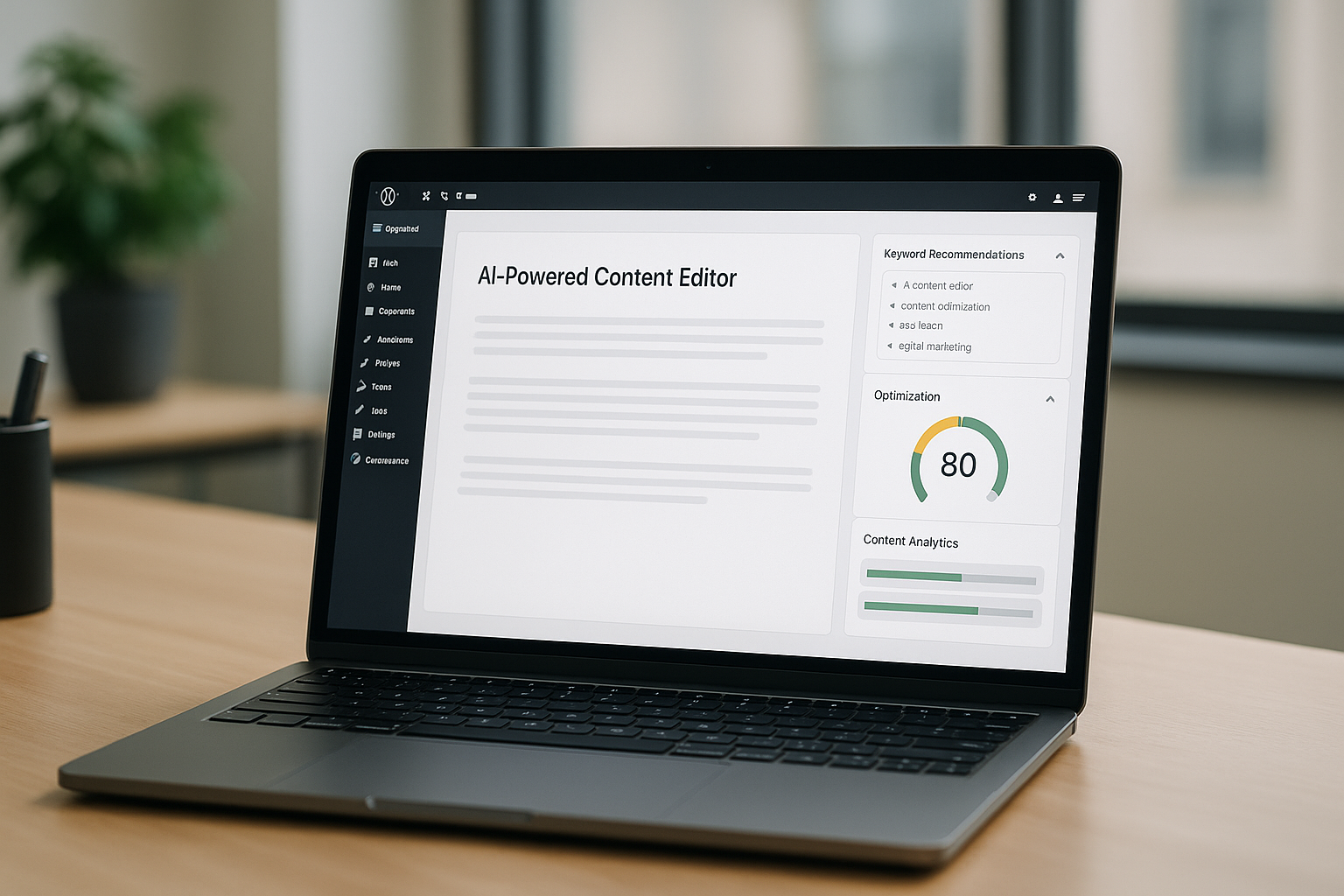
Feature-by-Feature Comparison Table
The table below isolates the core automation capabilities that differentiate these platforms, focusing on whether each tool handles a given task automatically, requires manual intervention, or omits the feature entirely.
| Feature | Semrush | Ctrify | Webtrek Free | WordPress Plugins |
|---|---|---|---|---|
| Keyword Research Automation | Comprehensive, clustered | Basic, volume-focused | Limited queries | Varies by plugin |
| AI Content Generation | Drafts with credits | Full articles | Outlines only | Full articles (RankHit) |
| Internal Link Suggestions | Manual insertion | Automated | Not included | Automated (RankHit) |
| Native CMS Publishing | No, manual export | API integrations | No | Yes, WordPress-native |
| Rank Tracking | Daily, comprehensive | Basic | Paid tier only | Third-party integration |
| Pricing Model | Subscription tiers | Subscription tiers | Freemium | Freemium or subscription |
How Do These Tools Handle AI-Optimized Content for LLM Citations?
AI-optimized content for ChatGPT citations and other large language model answers requires structuring articles with direct, self-contained answers immediately following question-based headings, dense semantic keyword clustering, and schema markup that machines can parse without human interpretation. Platforms differ sharply in how deliberately they build content for this use case versus optimizing only for traditional Google SERP rankings.
Semrush's SEO Writing Assistant scores content against readability and keyword density targets derived from current top-ten SERP results, a backward-looking metric that reflects what ranked in the past rather than the question-answer structure and factual density that LLMs favor when citing sources. Ctrify generates content in a narrative flow that reads naturally to humans but often buries direct answers three or four sentences into a paragraph, reducing the likelihood an AI assistant will extract and cite that text when answering a user query. Webtrek's free tier lacks the schema generation and structured data tools that help LLMs identify authoritative answers within a page.
WordPress plugins with built-for-AI-search architecture structure content specifically to meet LLM citation criteria, placing concise answers at the start of each section, embedding FAQ schema programmatically, and clustering related keywords in ways that signal topical authority to both Google's algorithms and AI answer engines parsing the web for reliable sources.
What Budget Constraints Favor Each Platform?
Budget constraints favor different tools depending on where your content operation sits on the volume-versus-customization spectrum and how much manual oversight you have capacity to maintain. Semrush justifies its cost when you already run comprehensive SEO campaigns requiring rank tracking, backlink monitoring, and competitive research beyond content creation alone, letting you amortize the subscription across multiple use cases rather than paying solely for AI writing assistance.
Ctrify makes sense for teams publishing at high velocity with lean editorial resources, where the time saved automating drafts outweighs the cost of subscription fees even if post-generation editing remains necessary. Webtrek's free tier serves micro-businesses testing AI-assisted SEO before committing budget, understanding that the limited feature set will require an upgrade or platform switch once content production scales beyond a few posts per month. WordPress plugins that automate the full workflow from keyword research through publishing deliver the strongest ROI for agencies and publishers managing multiple WordPress sites, where native integration eliminates per-post manual labor costs that compound across dozens or hundreds of articles.
Can You Combine Multiple Tools in One Workflow?
Combining tools in a hybrid workflow is common but introduces handoff friction at every boundary: exporting keyword lists from Semrush, pasting them into Ctrify for draft generation, then copying the output into WordPress for final edits and publication adds three manual steps that negate some of the automation value each platform offers in isolation. Teams pursuing this approach should map the time cost of each handoff and compare it against the subscription savings of using lower-tier plans on multiple platforms versus a single end-to-end solution.

Which Tool Best Supports Multi-Site Management?
Multi-site management at the agency or publisher level requires centralized authentication, bulk publishing across properties, and role-based access controls that let team members contribute without exposing client credentials or crossing editorial boundaries. Semrush offers project-based organization that separates client accounts within a single subscription, but publishing remains a manual per-site export task that scales linearly with the number of properties under management.
Ctrify supports API-based multi-site publishing but requires technical setup for each connected domain, a one-time configuration cost that pays off over time yet creates an initial barrier for non-technical users. WordPress-native plugins authenticate once per site and can publish from a central dashboard, the most efficient model for agencies running WordPress for all client properties but less useful for shops managing a mix of CMS platforms. Agency workflows benefit most from tools that treat multi-site publishing as a core feature rather than an advanced integration, reducing the per-client setup overhead that compounds when onboarding new accounts.
How Do Update Cycles and Feature Roadmaps Compare?
Update cycles reveal each platform's development velocity and responsiveness to shifts in SEO best practices, particularly as Google algorithm updates and AI search adoption change what content structures rank and get cited. Semrush releases feature updates quarterly, adding new data sources and refining its keyword clustering algorithms, but its large feature surface means individual tools like the AI Writing Assistant may wait months between significant improvements.
Ctrify and newer entrants ship updates more frequently, iterating on AI model quality and content templates monthly or even weekly, which allows faster adaptation to emerging trends like LLM citation optimization but introduces version instability where workflows that worked last month may require adjustment after an update. WordPress plugin ecosystems benefit from WordPress core's predictable release schedule, ensuring compatibility across major CMS versions, though individual plugin developers vary widely in how actively they maintain and expand their tools.
Frequently Asked Questions
Which ai seo tool offers the best free tier?
Webtrek provides the most accessible free tier for users testing AI SEO without budget commitment, offering keyword suggestions and basic outlines, though feature limitations restrict content generation word counts and omit rank tracking, so free access suits micro-businesses publishing one or two posts monthly rather than high-volume content operations. WordPress plugins like Yoast offer free on-page optimization analysis but require manual writing, while platforms pursuing full automation typically gate their core features behind paid plans.
Does the semrush ai seo tool publish directly to WordPress?
Semrush does not publish directly to WordPress or other content management systems, requiring users to export AI-generated drafts manually and paste them into their CMS, reformat headings and images, and set categories and tags as separate steps. This manual handoff adds time overhead that offsets some of the research automation gains, particularly for teams managing multiple sites or publishing daily content.
Is the ctrify ai seo tool suitable for agencies managing client sites?
Ctrify suits agencies that prioritize content velocity over granular editorial control and can invest technical resources in configuring API integrations for each client domain, but its lack of native project management and multi-author approval workflow integrations may require building custom bridges to existing agency tools. Agencies running WordPress across all client properties often find WordPress-native plugins more efficient for multi-site publishing without per-client API setup.
What makes an ai seo tool wordpress solution different from standalone platforms?
A WordPress-native ai seo tool eliminates the export-import friction that standalone platforms introduce, allowing content to move from keyword research through optimized drafting to scheduled publishing without leaving the CMS interface, which removes the manual steps of copying text, reformatting headings, and setting post metadata that consume minutes per article and compound into hours across a monthly content calendar. This native integration delivers the strongest time savings for teams already committed to WordPress as their publishing platform.
How do these tools optimize content for ChatGPT and AI citations?
Tools optimized for ChatGPT citations structure content with direct, self-contained answers immediately following question-based headings, embed FAQ schema programmatically, and cluster related keywords in ways that signal topical authority to large language models parsing the web for reliable sources. Most platforms optimize primarily for traditional Google SERP rankings using backward-looking metrics derived from current top-ten results, while WordPress plugins with built-for-AI-search architecture design content specifically to meet LLM citation criteria alongside traditional SEO performance.
Making the Platform Decision for Your Content Operation
The right platform choice hinges on three factors working together: your existing content infrastructure, the ratio of automation to editorial control your team requires, and whether your SEO strategy targets traditional Google rankings alone or extends to AI-cited search results and LLM-generated answers. Semrush delivers unmatched research depth for teams already running comprehensive SEO campaigns who can absorb manual publishing steps, while Ctrify suits high-velocity operations willing to trade granular control for end-to-end automation speed.
Webtrek serves as a risk-free entry point for micro-businesses testing AI-assisted content creation before budget commitment, understanding that scaling beyond experimental publishing will require an upgrade or platform switch. WordPress-native solutions offer the tightest integration for teams publishing exclusively on WordPress, collapsing the research-to-publication cycle into a single authenticated workflow that eliminates the per-post manual labor costs standalone platforms impose.
For content operations targeting both Google rankings and AI search citations, platforms that structure articles with direct answers, question-based headings, and programmatic schema deliver dual-channel optimization that prepares your content library for the shift toward LLM-mediated search. Explore how RankHit automates keyword research, SEO content, internal links, and publishing in a WordPress-native workflow built for AI search, or try our free SEO tools to test automation features before committing to a full platform.

RankHit
RankHit official
RankHit researches keywords, writes SEO articles, and publishes them on autopilot so brands can rank on Google and get cited by ChatGPT.